In the Classroom with Brittany Swartz
Hispanic Heritage Month

The moment a girl who had barely spoken all year raised her hand and asked if she could read the page in Spanish, something shifted. I knew then that this project was doing the kind of work school rarely makes time for.
ABaD reflection paragraph

I teach a class of twenty six students, all Special Education students and English Language Learners. Sixteen are English Learners, and most come from Spanish-speaking countries. Four are part of our Newcomers Program. Many arrived quiet and guarded, unsure of how much of themselves they were allowed to bring into the room. From the beginning, my focus was simple. I wanted my students to feel safe being who they are.
Working with A Book A Day made that possible. Language stopped being something to fix or rush through. Spanish became something we paused for. Students who rarely raised their hands began volunteering to read aloud. Others translated without being asked, listening closely and offering meaning in English. The room changed. The students who were used to needing help became the ones leading.
What stayed with me most was who else stepped forward. Students who did not speak Spanish at home asked if they could try reading too. They practiced over the weekend. They reread pages. They looked up words because they wanted to understand. They wanted to do it right, not for a grade, but out of respect.
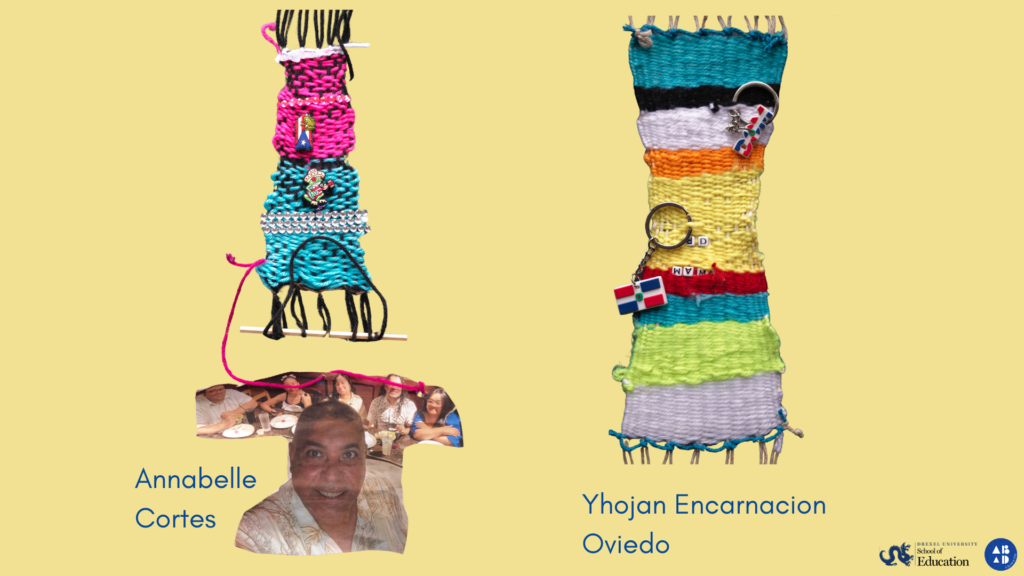
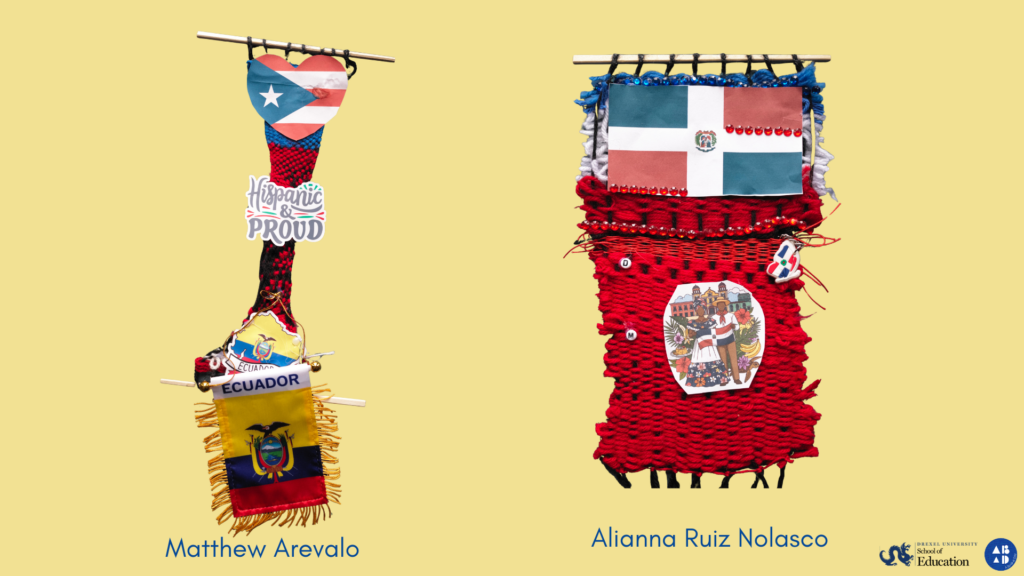
The arts gave this project its heartbeat. Outside of an art elective, weaving entered our classroom and brought the humanities with it. Through books and yarn, we explored geography, history, and culture. We talked about identity, community, and empathy. My students are in fifth grade, standing on the edge of their middle school years, still figuring out who they are. This project gave them space to explore a sense of self.
ABaD Curated Selection of Books for Hispanic Heritage Month


Weaving deepened everything. I worried about my students who receive occupational therapy and struggle with motor skills, but weaving became calming and therapeutic. It gave their hands purpose. One student in foster care looked forward to weaving days more than anything else. Another loved the project so much that she built her own loom out of cardboard at home and kept weaving over the weekend, using yarn and ribbon she found in her house. I never asked for that. I never expected it. It allowed me to see how deeply this project became a true part of my students, something that they did not want to separate from.

As students explored their heritage, connections appeared naturally. Dominican, Puerto Rican, and Colombian students noticed shared ingredients in family foods, even when the names and recipes were different. Flags led to quiet pride and thoughtful explanations, with some students pointing out that the color red held similar meaning across East Asian flags. Students who were not Hispanic explored their own identities as well. Everyone belonged in the learning.
The project ended with an after-school family presentation, and that evening still stays with me. The room filled with woven art and recorded Canva presentations. I felt myself tear up as parents listened. Some asked me to send the presentations afterward so they could keep them forever. Teachers from years past came back to support their former students. Children from kindergarten through fifth grade sat together, listening, clapping, and cheering each presenter on.

Because of this project, my classroom library looks different now. It is filled with books in my students’ native languages, especially Spanish. Those books are not there as accommodations or assignments. They are there for comfort, for choice, and for joy. Students reach for them during independent reading, during quiet moments, and sometimes when English feels overwhelming. Being able to open a book and see their own language gives them a sense of home in a space that often asks them to work so hard just to understand. It has encouraged reading for pleasure, not just for school, and it has reminded my students that their language belongs here.
This project did not just teach content. It gave students permission to speak in the language that feels like home. It helped them take up space. It allowed me to build trust in a way that felt real. When children are given room to tell their stories, they show us just how much they have been waiting to be heard.




Vera Lee, Ed.D.
Clinical Professor Literacy Studies
Drexel University School of Education
Brittany Swartz, M.S.Ed.
Fifth Grade Teacher, ASPIRA Bilingual Cyber Charter School
M.S.Ed. in Teaching, Learning & Curriculum, Drexel University (2025)
Sibylla Shekerdjiska-Benatova, M.S.Ed.
A Book a Day Executive Director
M.S.Ed. in Literacy Studies, Graduate School of Education
Flora Ward, PhD
A Book a Day Grants Manager
PhD, History of Art, University of Toronto (2014)
Students
- Matthew Arevalo
- Sofia Baez Gabriel
- Chaika Brown
- Daniel Camacho Pedroza
- Jonthsiel Correa Delgado
- Abigail Corril-Garcia
- Annabelle Cortes
- Corey Dunn
- Yhojan Encarnacion Oviedo
- Ivanna Erazo Galvez
- Kayliann Garcia Rivera
- Tayler Gomez Andelis
- Jubilee Kim
- Hemerson Leon Salazar
- Luyan Llanos
- Mathias Morgan
- Hezekiah Patterson
- Evanyelina Peralta Cruz
- Ravit Phan
- Sarah Pierre
- Dylan Ramirez Navarro
- Estarlyn Reyes Lopez
- Alianna Ruiz Nolasco
- Kaela Moran Rojas